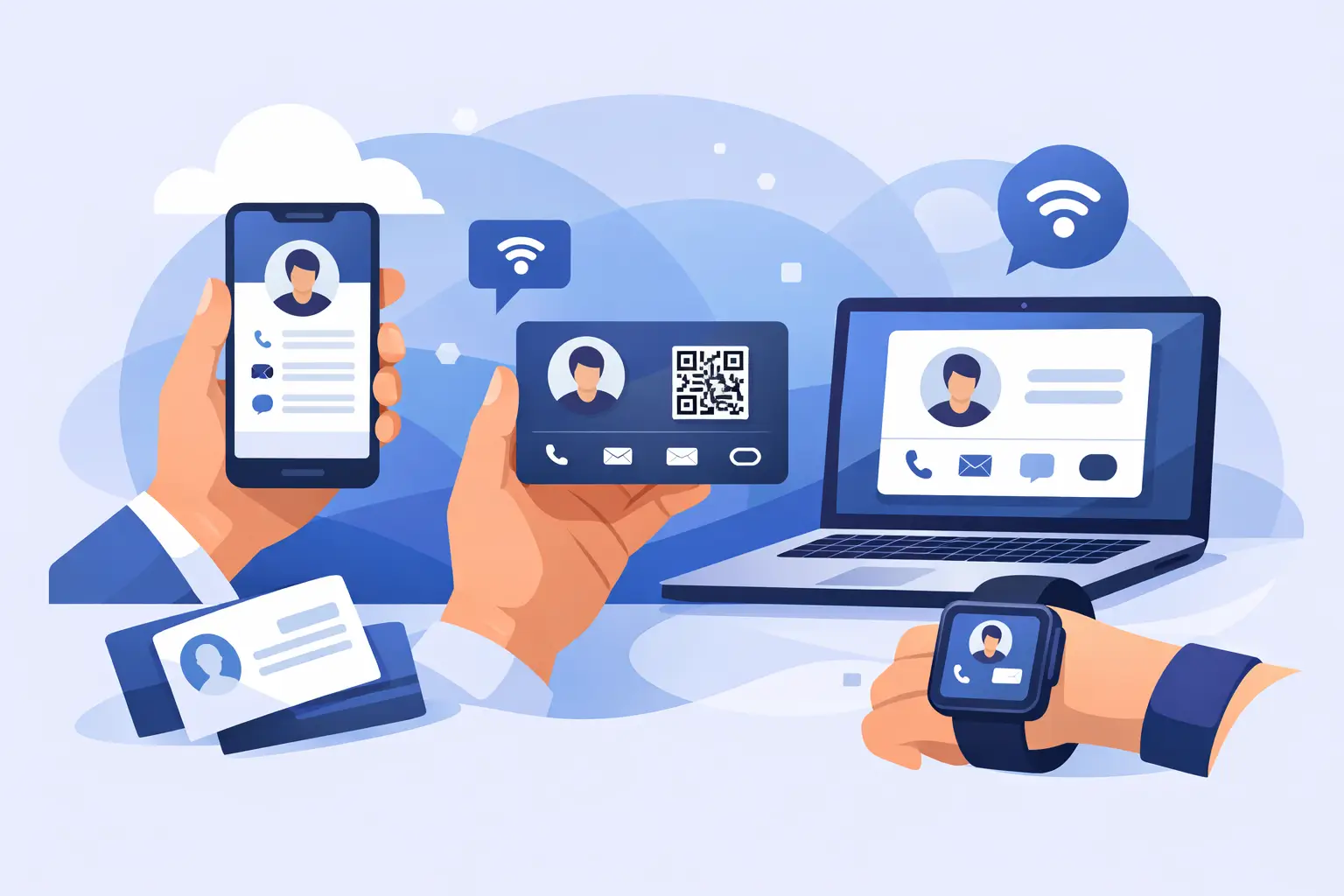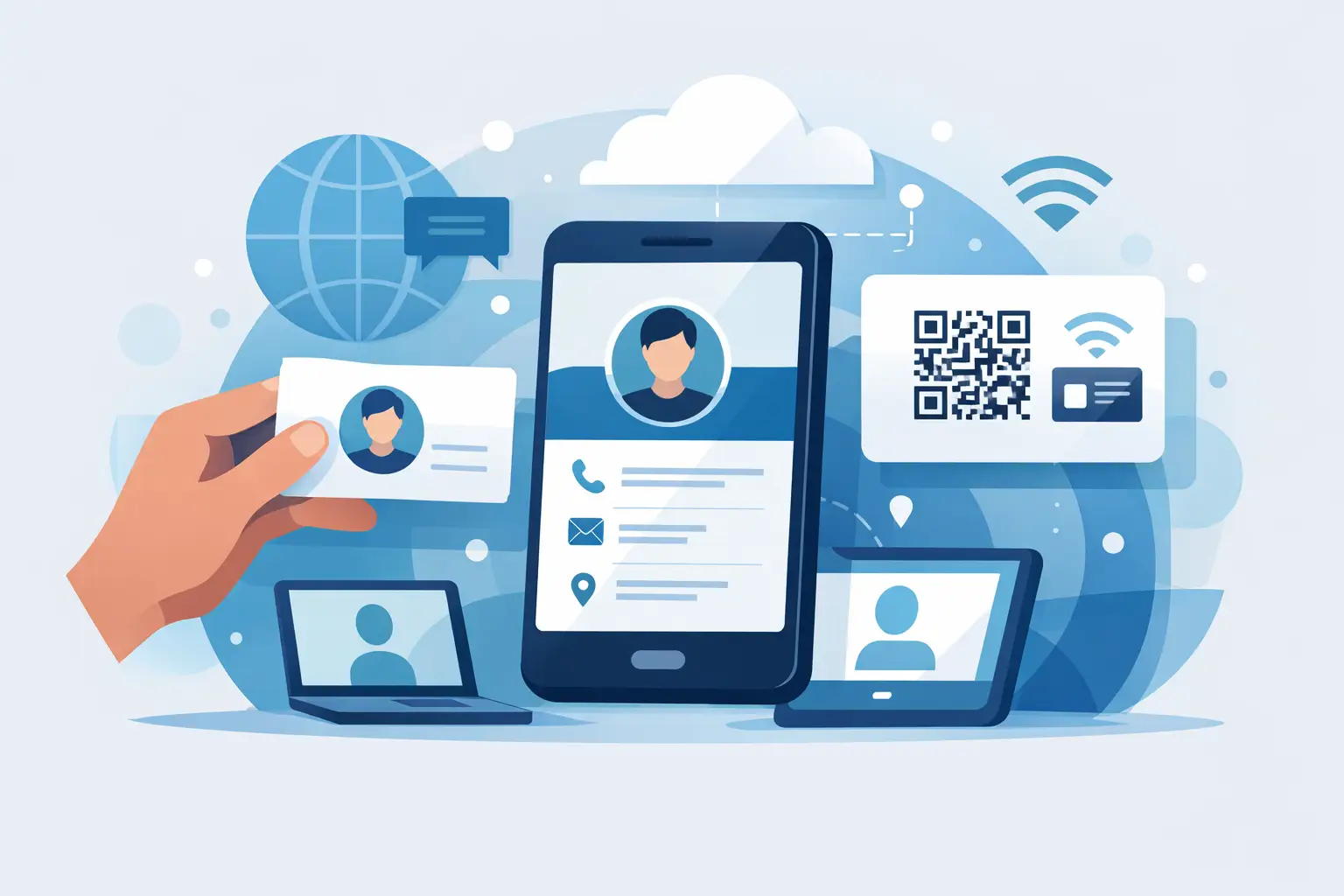
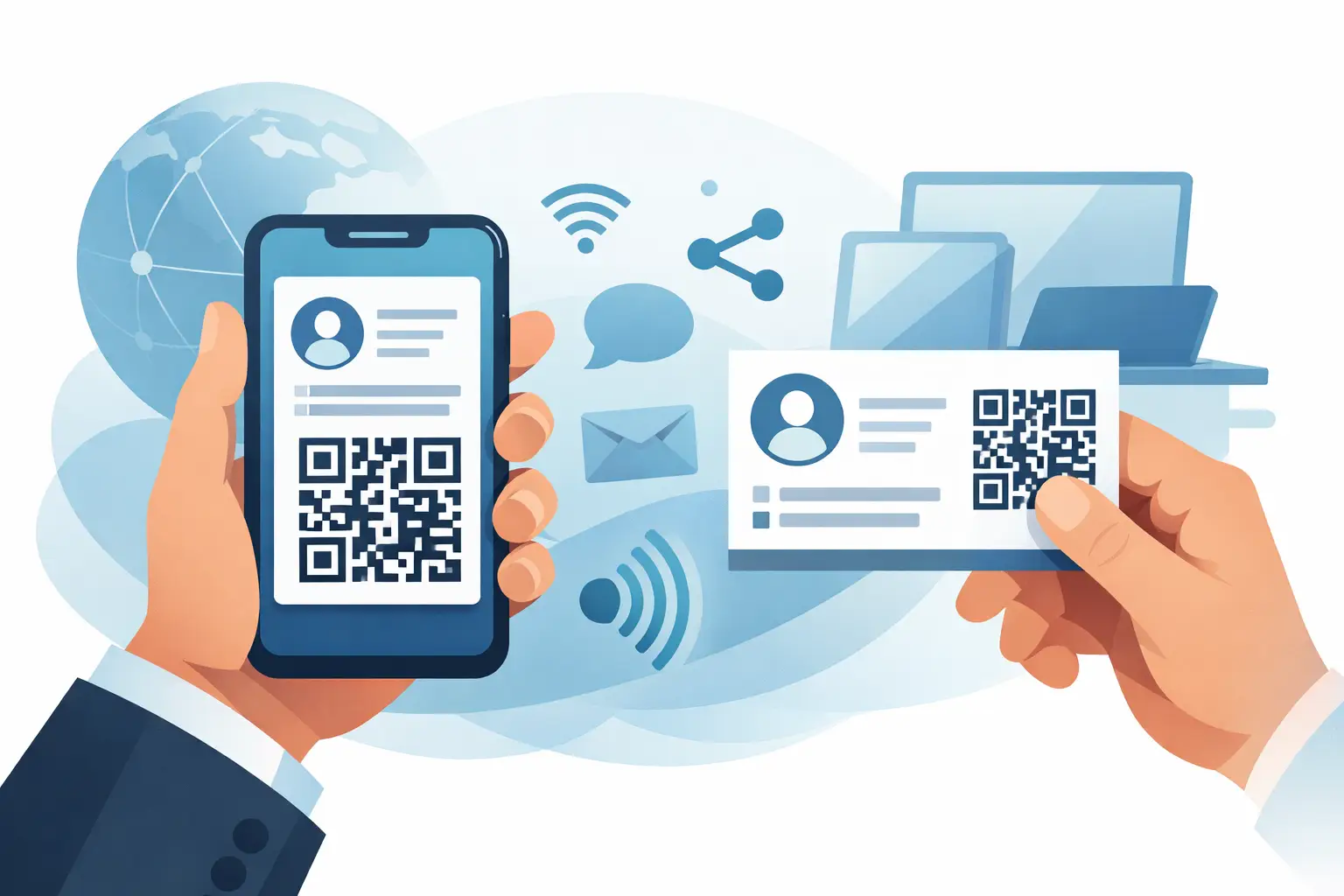
You meet a potential customer, they ask for your details, and you have about five seconds to make it easy. A paper card can give them your name and number. Digital business cards with QR code can do a lot more - they can open your profile, save your contact, show your services, display products, and turn a quick introduction into a real lead.
That difference matters for freelancers, salespeople, local businesses, and growing teams. If most of your business comes from WhatsApp, social media, referrals, events, walk-ins, or direct outreach, the way you share your details affects how often people actually follow up. The goal is not just to look modern. The goal is to remove friction.
Why digital business cards with QR code are replacing paper
Printed cards still have one advantage: they are familiar. But they also create small problems that add up. They run out, they go out of date, and they usually give people very little context about what you actually sell.
A digital card changes that. Instead of handing over static information, you share a live business profile that can be updated anytime. If your phone number changes, your hours change, or you add a new service, you update it once. Everyone who scans your code sees the latest version.
That is especially useful for small business owners who are always adjusting offers, pricing, product availability, or contact channels. A printed card locks you into old information. A digital card keeps up with how real businesses operate.
The QR code makes the whole thing faster. People do not need to type a long URL or search for you later. They scan, view, and act right away. That action might be saving your number, sending a WhatsApp message, checking your catalog, or finding your location.
What a good digital business card should actually do
Not all digital cards are equal. Some are just online versions of a paper card, with a name, title, and basic contact details. That may be enough for a corporate employee who only needs to share email and LinkedIn. It is usually not enough for a small business owner trying to generate inquiries.
A stronger setup works more like a mini conversion page. It should let you present the essentials clearly: your contact details, services, products, pricing, photos, business hours, map, payment methods, and a direct way for people to reach you. If someone lands on your card and still has to ask basic questions, the card is not doing enough work.
This is where trade-offs matter. A simple card is fast to create and easy to manage, but it may not help much with sales. A more complete profile can improve conversions, but only if the layout stays clean and mobile-friendly. For most users, the best option is something in the middle - simple enough to launch today, complete enough to help customers take the next step.
How the QR code improves response rates
People rarely act later. If they are interested in your business during a meeting, event, store visit, or casual introduction, that is the best time to capture their attention.
A QR code helps because it removes memory from the process. They do not need to remember your business name, search your Instagram, or scroll through old chats. They scan and land exactly where you want them to go.
That small shift can improve response rates in a very practical way. More people save your contact correctly. More people send a message while your conversation is still fresh. More people see your services before they forget why they wanted to reach out.
For businesses that sell through conversation, this matters a lot. If your customers usually ask questions before buying, a digital card with a QR code does more than introduce you. It starts the conversation.
Where digital business cards with QR code work best
These cards are useful almost anywhere, but they are especially effective in situations where speed and convenience matter.
At networking events, they help you avoid carrying stacks of cards and let you share full details instantly. In retail or service settings, they can sit on a counter so walk-in customers can scan for product details, contact info, or promotions. For field sales and property agents, they make follow-up easier after short in-person meetings. For freelancers and home-based businesses, they provide a more professional presence without building a full website.
They also work well on printed materials. A QR code can be added to packaging, flyers, menus, banners, posters, invoices, and table displays. That gives your offline marketing a direct path to online action.
Still, context matters. If your audience is not comfortable scanning codes, you should also have a direct link or NFC option ready. The best systems do not rely on one sharing method only.
What to include on your card
A digital business card should answer the customer's first questions fast. Who are you? What do you offer? How do they contact you? Why should they trust you?
Start with the basics: business name, phone number, email, and a clear profile image or logo. Then add the business details that move people forward, such as a short service description, product highlights, price range, opening hours, location, and a gallery if visuals help you sell.
If most inquiries come through messaging apps, make that the main action. If customers usually visit your location, your map and hours matter more. If you sell a few core products, a lightweight catalog can do more for conversions than a long company description.
This is where many users overcomplicate things. They try to include everything. A better approach is to include the information that supports the next action. A digital card is not supposed to replace every sales tool. It is supposed to make the next step obvious.
Common mistakes that make QR business cards less effective
The biggest mistake is treating the card like a design exercise instead of a business tool. A stylish layout means very little if the contact button is hard to find or the page loads with too much clutter.
Another common problem is outdated information. The main advantage of digital cards is that they are editable. If your profile still shows an old number, expired promotion, or incorrect business hours, you lose trust quickly.
Some businesses also make the QR code hard to access. If it only exists inside a phone gallery, you may not be ready when someone asks for your details. A better setup puts the code in places you use every day - phone wallpaper, printed stand, badge, packaging, or an NFC card.
And then there is the issue of weak calls to action. If your page says nothing beyond your name and title, people may visit and leave. Give them a reason to act now, whether that is messaging for a quote, browsing featured products, booking an appointment, or checking current offers.
Choosing the right platform for digital business cards with QR code
If you are comparing tools, focus less on novelty and more on practical use. Ask how fast you can set it up, how easy it is to edit, and whether it helps you get inquiries rather than just share information.
For many small businesses, the best platform is one that combines contact sharing with a mobile-friendly profile, product display, and lead capture. That setup gives you more than a digital name card. It gives you a simple online presence that supports sales without the cost or complexity of a full website.
Ease of use matters more than people think. If editing your card feels technical, you will delay updates. If sharing requires an app, some customers will drop off. If the profile is not built for mobile, the experience breaks at the exact moment it needs to work.
That is why platforms like Dizcard appeal to entrepreneurs and SMEs that need something simple, fast, and customer-ready. The value is not just the QR code itself. The value is having one place to create, share, and update your business presence without extra friction.
The smarter way to think about your business card
Your business card used to be a handoff. Now it can be a touchpoint that keeps working after the conversation ends. That shift is small on the surface, but it changes how leads move.
When someone scans your card, they should not land on a dead end. They should land on a profile that helps them contact you, understand your offer, and feel ready to take the next step. If your current card cannot do that, it may be time to stop thinking of it as a card and start treating it like a growth tool.